The Roles of the Art Therapist as Key Facilitator
In the context of the Self-Portrait Workshop and the broader mission of the AH-AH Museum of Art, the art therapist does not act as a traditional art instructor who evaluates technical skill, nor as a clinical therapist in a conventional session. Instead, they serve as a sympathetic facilitator, container, and guide—bridging creative expression with psychoeducation and emotional safety.
1. Creating a Safe Emotional Container
Establishing Psychological Safety: The facilitator sets non-judgmental ground rules from the outset, assuring participants that there is no "wrong" way to paint or feel. This removes the anxiety of artistic performance and creates a secure space where individuals feel safe enough to explore complex or vulnerable emotions.
Holding Space for Vulnerability: When participants confront difficult internal feelings during the self-portraiture process, the therapist acts as a grounded, reassuring presence. They ensure the studio environment remains supportive, calm, and respectful of everyone's personal boundaries.
2. Guiding the Creative Process (From Impulse to Symbol)
Prompting and Scaffolding: Rather than dictating techniques, the art therapist offers gentle prompts, themes, and metaphor drawing connections to symbolic art movements to help participants translate abstract feelings (such as grief, anxiety, or joy) into visual choices like color, line, and texture.
Encouraging Intuitive Exploration: The therapist helps participants overcome creative blocks or self-criticism by encouraging them to focus on the process of mark-making rather than the final product. They guide participants to trust their intuitive impulses on the canvas.
3. Bridging Art and Insight (Reflective Integration)
Facilitating Dialogue, Not Diagnosis: The art therapist does not interpret or "read into" a participant's painting. Instead, they ask open-ended, reflective questions to help participants uncover their own personal insights.
Nurturing Group Resonance: During the sharing and salon portions of the workshop, the therapist skillfully moderates the group dynamic. They ensure that every voice is heard, encourage mutual empathy among group members, and weave individual stories into a shared sense of community and collective resilience.
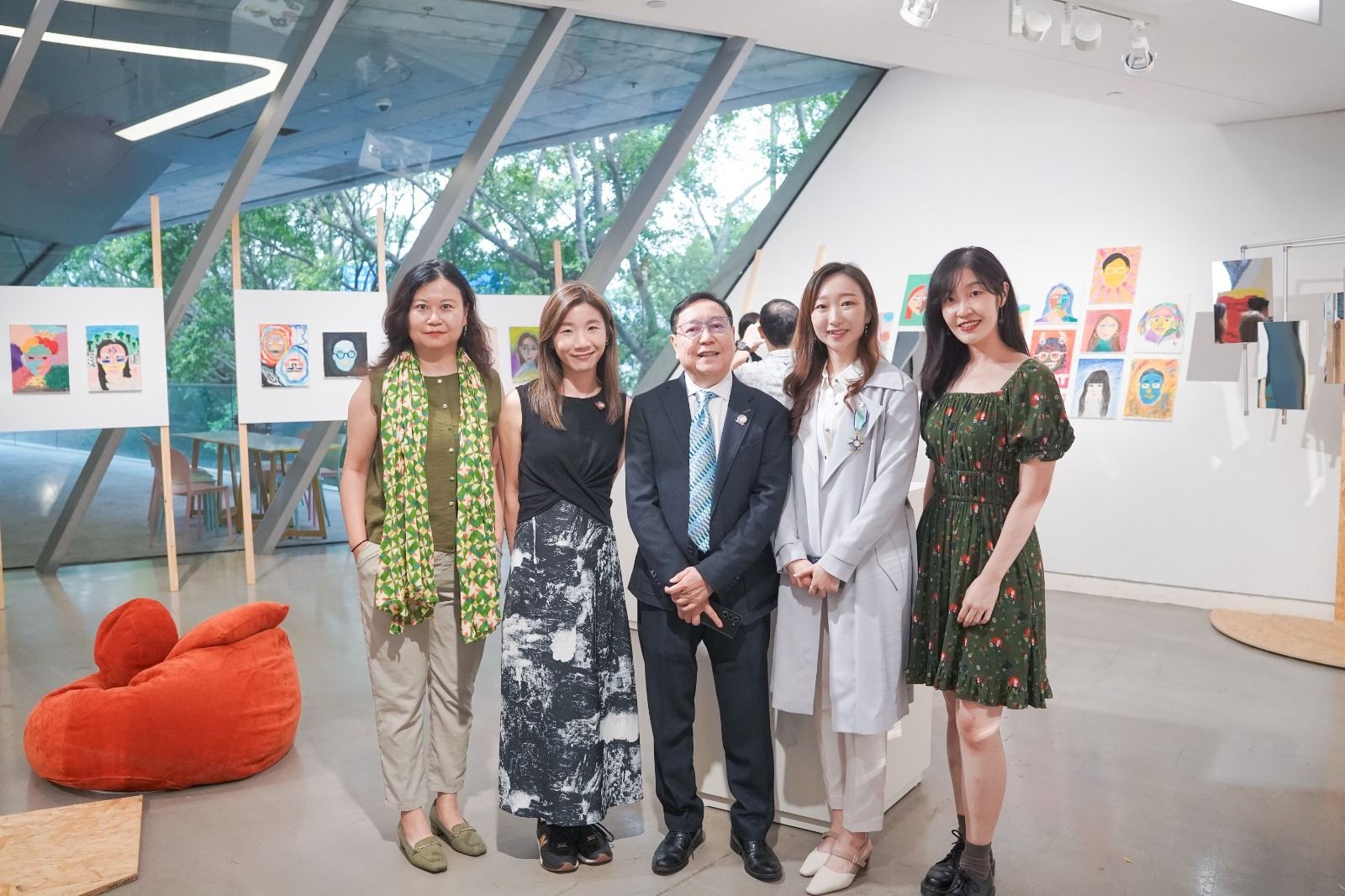
Building Human Connection: Shared Vulnerability
While self-portraiture is deeply personal, the workshop setting creates a profound communal experience. Working side-by-side with fellow participants and art therapist transforms private introspection into shared human connection:
A Sanctuary of Shared Presence: Painting together in an intimate, non-judgmental space fosters a rare sense of collective empathy. Watching others express their inner truths breaks down social barriers and normalizes the full spectrum of human emotion.
Meaningful Dialogue: Through structured sharing circles and casual salon-style conversations during the session, participants are invited to talk about their creative process. Articulating the meaning behind your visual choices allows the artist to be seen and understood without the need for complex explanation.
Community & Resonance: By sharing the vulnerability of the creative journey, strangers quickly become a supportive network. Participants walk away not only with a unique personal artwork and deeper self-awareness, but also with a renewed connection to a community that values emotional wellness, resilience, and genuine expression.
Ah Ha Museum Collections
Discover endless inspiration at Ah-Ha Museum collection—where art comes alive and creativity knows no bounds. Visit us today!
